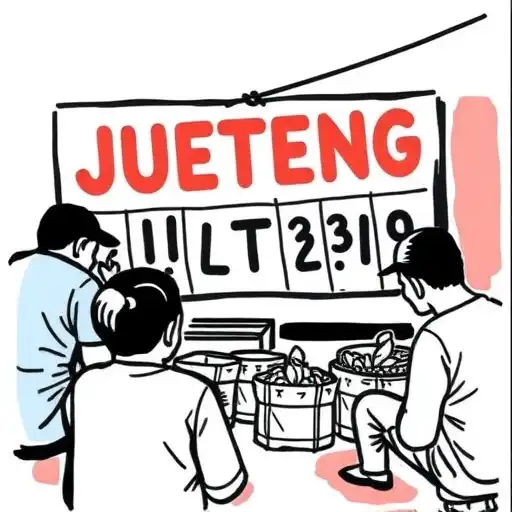
Understanding Jueteng: A Closer Look at the Popular Yet Controversial Numbers Game
What is Jueteng?
Jueteng is an illicit numbers game that originated in the Philippines. Despite its illegal status, it remains highly popular in different regions, especially in rural and provincial communities. This clandestine activity is comparable to a lottery system where a player chooses a combination of numbers from 1 to 37. If the drawn numbers match the player’s chosen numbers, they win a prize.
The Mechanics of Jueteng
The operation of Jueteng involves various roles, from the cobrador (bet collector) to the kabo (bet coordinator) and the kubrador (main operator). Players place bets based on superstitions, dreams, and other cues. The numbers are often picked twice a day, maintaining the excitement and immediacy of the game.
Historical Context
The popularity of Jueteng can be traced back to the Spanish colonial period, and it has persisted through time, influenced by various political and social changes. Its endurance in Filipino society underscores the tension between cultural norms and legal frameworks. Despite numerous efforts by the government to eradicate and legalize it, the game’s complex socio-political entanglements make these efforts challenging.
Jueteng's Social Impact
Jueteng promotes an underground economy that influences local finances and politics. It provides employment for an underground workforce of bet collectors and coordinators. However, it is also criticized for its relationship with a system of patronage and corruption, as operators allegedly share profits with law enforcers and political figures to avoid persecution.
Comparable Legal Alternatives
The Philippine Charity Sweepstakes Office (PCSO) introduced legal alternatives such as the Small Town Lottery (STL) to curb the prevalence of Jueteng. However, STL has not achieved the same popularity due to stricter government oversight and lesser returns compared to its illegal counterpart. As a result, many argue that the easy money lure of Jueteng keeps it alive, as local communities heavily rely on its earnings.
The Role of Authorities
Authorities in the Philippines have consistently implemented policies to eliminate Jueteng, often receiving backlash from communities that tolerate or even support the game. This caused significant controversy among local policing bodies. Many law enforcement officers face scrutiny and allegations of accepting bribes, further complicating efforts to eradicate Jueteng as an illegal activity.
Technology Meets Jueteng
The digital age has influenced various illegal gambling activities worldwide, including Jueteng. Tech-savvy operators may use online platforms to manage betting activities, keeping up with modern trends to maintain anonymity and broaden their clientele. Emerging online alternatives and platforms, akin to "1010 cassino com saque rápido," showcase how technology plays a role in modernizing traditional games like Jueteng.
Potential Avenues for Legalization
Debate around regulation and legalization of Jueteng continues among policymakers. Proponents argue that establishing a legal framework could channel funds from these operations into public infrastructure and services, echoing models seen in legalized gambling industries. Opponents, however, fear that it would encourage more widespread gambling addiction, potentially outweighing any economic benefits.
Community Perspectives
For communities where Jueteng is entrenched, the game serves as more than just a gambling activity; it is a social tradition intertwined with daily life. Many players claim small wins supplement daily needs, creating a source of micro-capital in areas lacking economic opportunity. This dual role as a social tradition and economic facilitator adds layers of complexity to the debate surrounding its legality.
The Future of Jueteng and Illegal Gambling
The persistence of Jueteng reflects broader trends in the challenge of prohibiting illegal gambling activities within societies that continue to harbor them in cultural and socio-economic contexts. Future efforts to curb Jueteng hinge on understanding these dimensions and addressing the underlying issues of poverty and lack of opportunity that fuel its continued prevalence.
Conclusion
While Jueteng remains a contentious issue in the Philippines, it is a focal point of discussion about how we navigate the complexities of traditional practices against contemporary legal systems. As both a gambling activity and a socio-cultural phenomenon, Jueteng continues to captivate attention, warranting continued debate on its regulation and impact on Filipino society.